Simple Math.
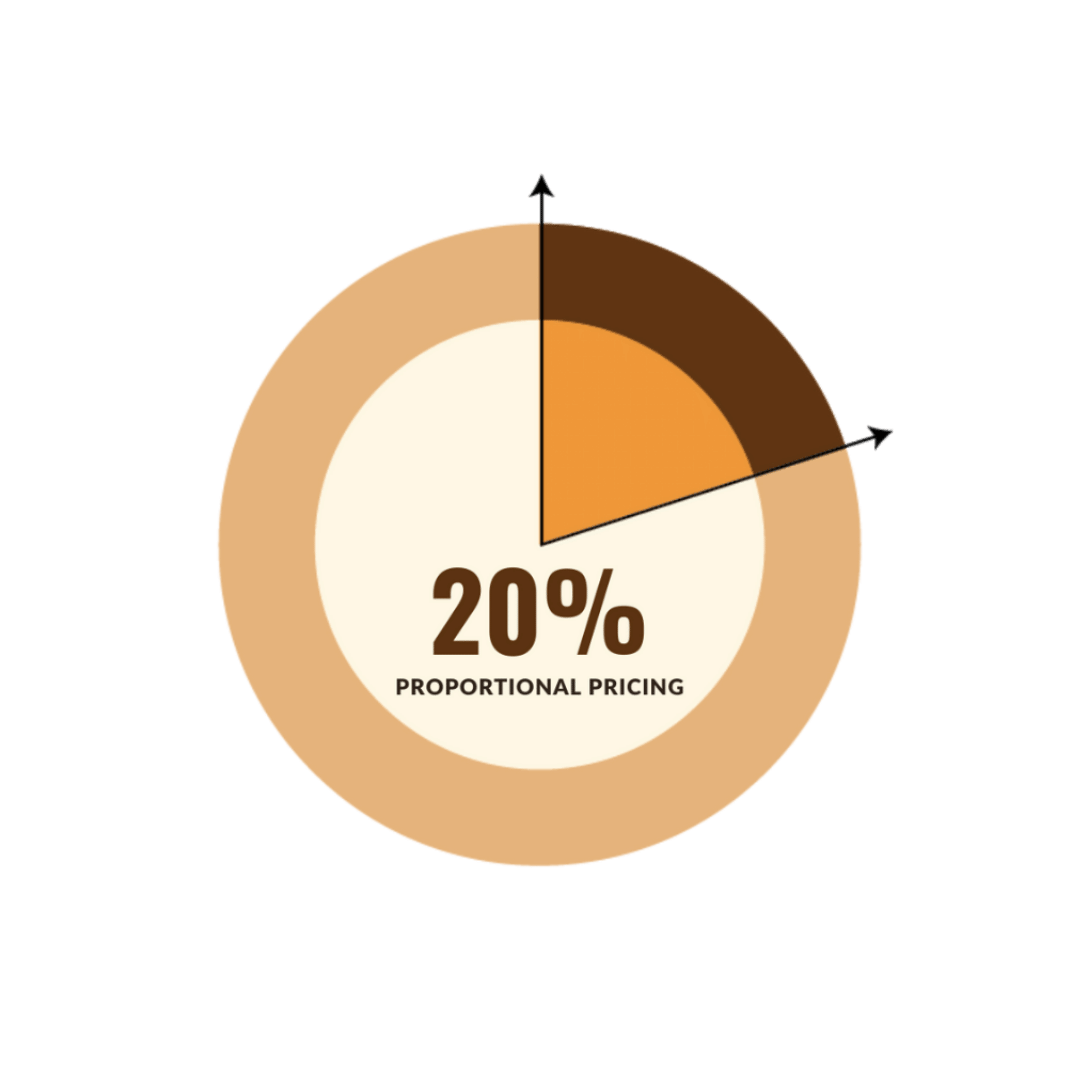
A minimum of 20% of every bag's retail price stays at origin, in the hands of the people who produced it. They know what you paid. You know what stayed.
- Bag retail: $22.00
- Stays at origin: (20%) $4.40
- Never less. Often more.
Economic Equity: The right to share in the appreciation in value.
At Torque, at least 20% of a bag's retail price stays in the country that grew it. That's not charity. The origin price sets the retail price, so the 20% is built in from the start. It never leaves, so it never has to be sent back.

The Supply Chain is NOT Broken
The Coffee Industry Has a Problem
Coffee is a $400 billion industry. Traditionally only about 5% of that stays where the coffee is grown. Pay $20 for a bag and the people who grew it, milled it, and sorted it for months see around a dollar. The chain wasn't broken. It was built this way, to move value up and away from origin.

Change The System
Breaking the Chain
So we build it the other way. At least 20% of what you pay stays at origin. Always. Pay $22 for a bag and $4.40 stays where it grew. The higher the price, the more stays at origin, single origins and Drops alike. The math is on every coffee, and the whole ledger is public.

Bottom Up Value
Why It Matters
Most coffee pricing starts at the bottom. Someone decides what commodity coffee is worth, usually pennies, and adds a little if the grower is lucky. We start at the top, at what you actually pay, and a fixed share of that goes to the country that grew it. The grower isn't the last one paid. They're the first number in the equation.

Nothing Hidden
Open Books
No hidden markups. No math you can't follow. Producers know what you paid. You know what stayed. You don't have to take our word for it.
Why FOB?
A coffee passes through a lot of hands before it ever leaves its home country. Seed to seedling, soil, years of growing, picking at ripe, fermenting, washing or drying, the wet mill, the dry mill, sorting, bagging, trucking, and loading at the port. FOB, Free On Board, is the price that covers all of it: the coffee bagged, labeled, and sitting on the dock ready to ship. Every one of those hands is already inside that number.
It's also the one number everyone can actually get. Fair Trade is quoted at FOB. The New York C price resolves to FOB. The Specialty Coffee Transaction Guide reports FOB. Whatever the model, anywhere in the world, FOB is the common line, which means our 20% is comparable to any other coffee on earth, not a figure we invented to look good. We always know the FOB we paid, and usually the in-country costs behind it. We measure the 20% against a number we can verify and you can check against anyone. No confusion, no unverifiable claims. Just the price the whole world already uses.
Coffee is People
-

Alejandro Martínez | Mexico
Alejandro Martinez is the fourth generation on his family's farm in Xalapa-Coatepec,...
-

Edwin Martinez | Guatemala
On a high slope surrounded by the lush valleys and ridges, Finca...
-
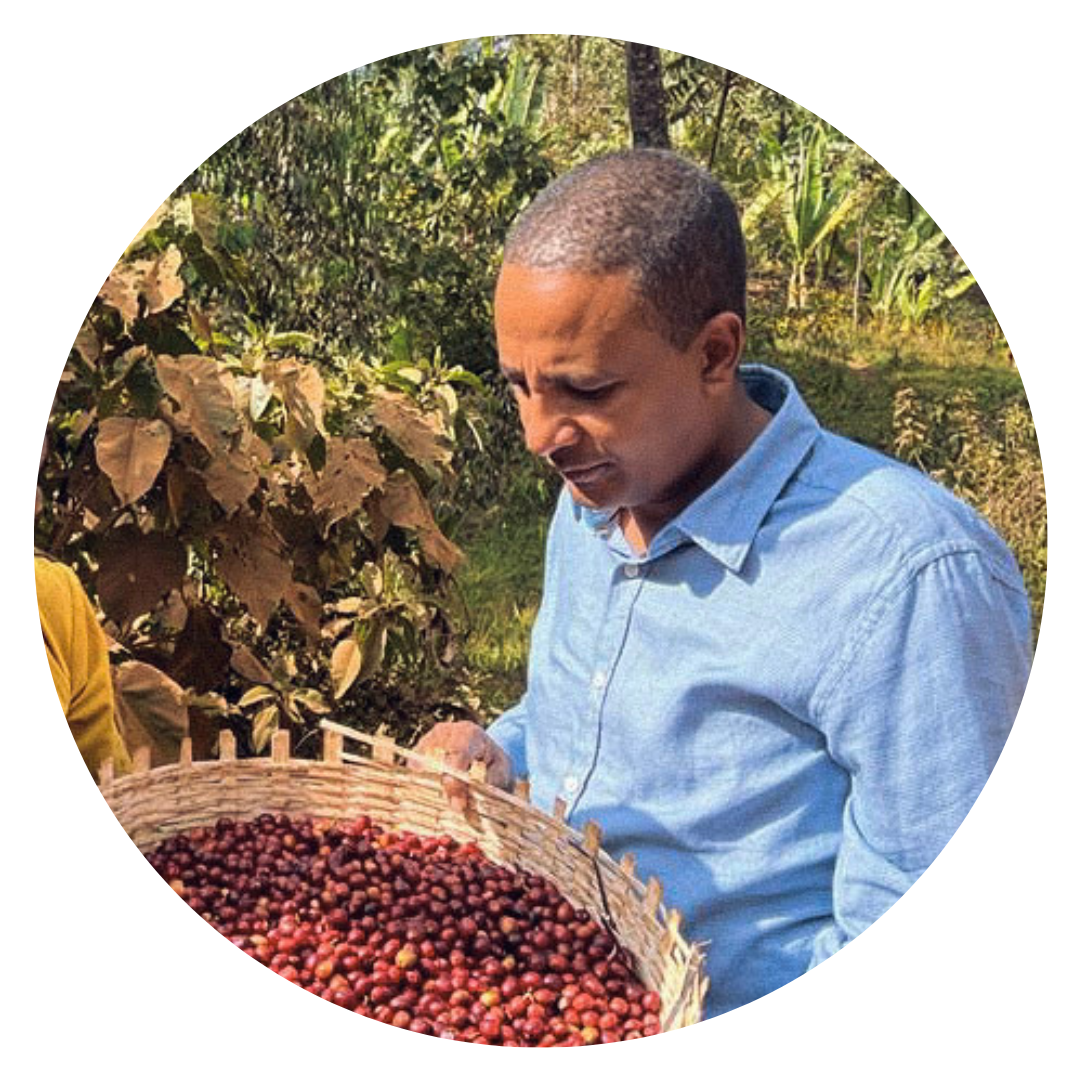
Faysel Yonis | Ethiopia
Faysel Yonis runs the Adorsi washing station near Aricha, where 800 smallholder...
-

Francisca Cubillo | Costa Rica
Francisca Cubillo mills her own coffee, which sounds small until you realize...
-
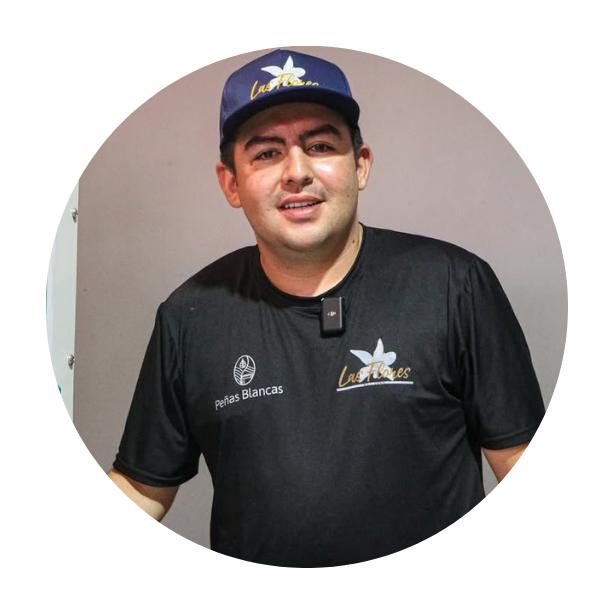
Jhoan Vergara & Nestor Lasso - Colombia
Nestor Lasso and Jhoan Vergara looked at post-harvest processing in Acevedo, Huila...
-

Juan Diego De La Cerda | Guatemala
We have been working with Juan Diego (aka the Silver Fox) since...
-
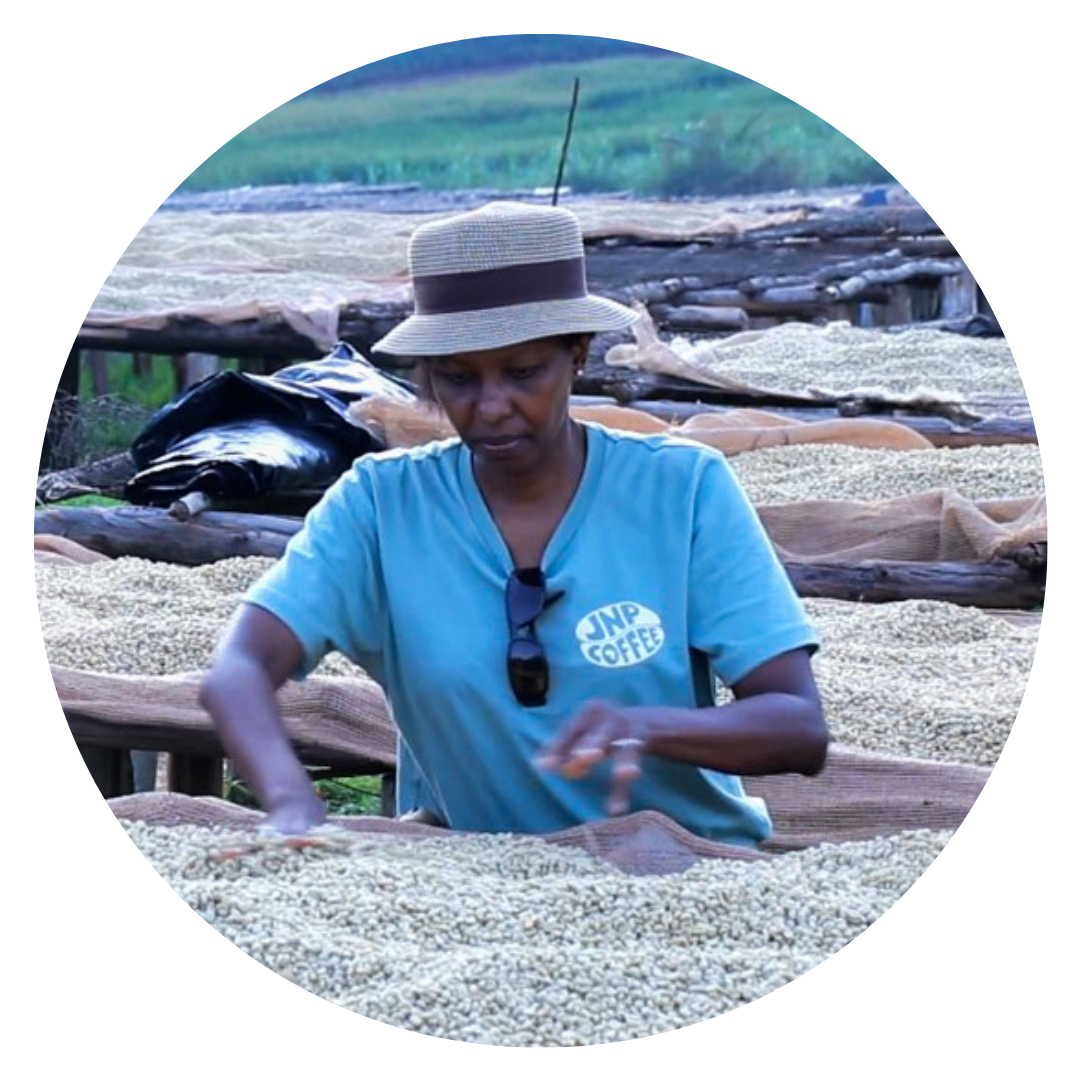
Ngozi Station | Burundi
One hillside, one cooperative, all women, and the name they gave themselves...


Check The Numbers
You don't have to trust any of this. Every coffee carries its own math: what you paid, what stayed at origin, who grew it. Run the numbers yourself.